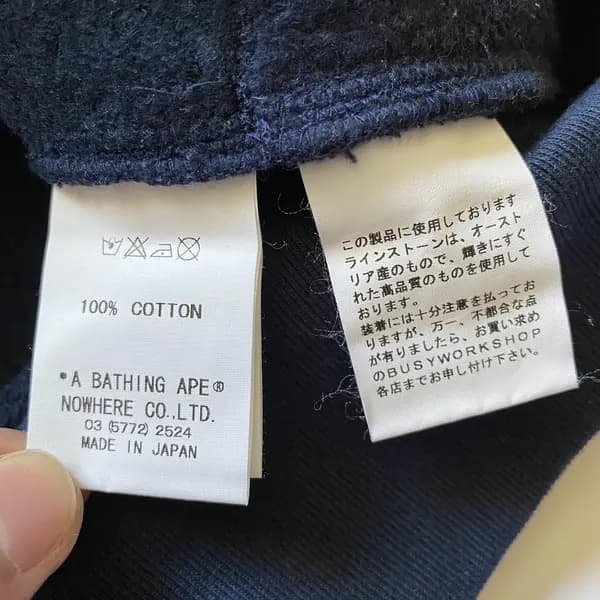
You avoid most return scams before the parcel leaves: photograph the exact piece you are shipping, ship with tracking to the address the platform gives you, add a signature on expensive items, and keep every receipt until the sale is closed. Then read your platform's rules: they protect sellers less than most people think. This guide goes through the common scams, what eBay and PayPal actually say about each one (pages checked on 17 November 2026), and the proof that helps when a buyer pushes back.
The return scams BAPE sellers run into
A BAPE hoodie is light, easy to ship and expensive, and fakes are everywhere. That combination makes a few tricks worth knowing by name.
- The swap. The buyer opens a return, then sends back a different piece: a fake, an older copy of the same design, or a worn one in your size. They keep yours.
- The not-received claim. The buyer says the parcel never arrived, sometimes after tracking shows it delivered.
- The worn return. The piece is worn, washed or damaged, then returned as not as described.
- The false fake claim. The buyer says your genuine piece is counterfeit to get a refund, and sometimes to keep the item as well.
None of the platform policies we read today uses the word swap. eBay's returns policy comes closest: it says the exact item purchased must be returned for a full refund. That leaves you to prove which item left your hands. The rest of this guide is about building that proof.